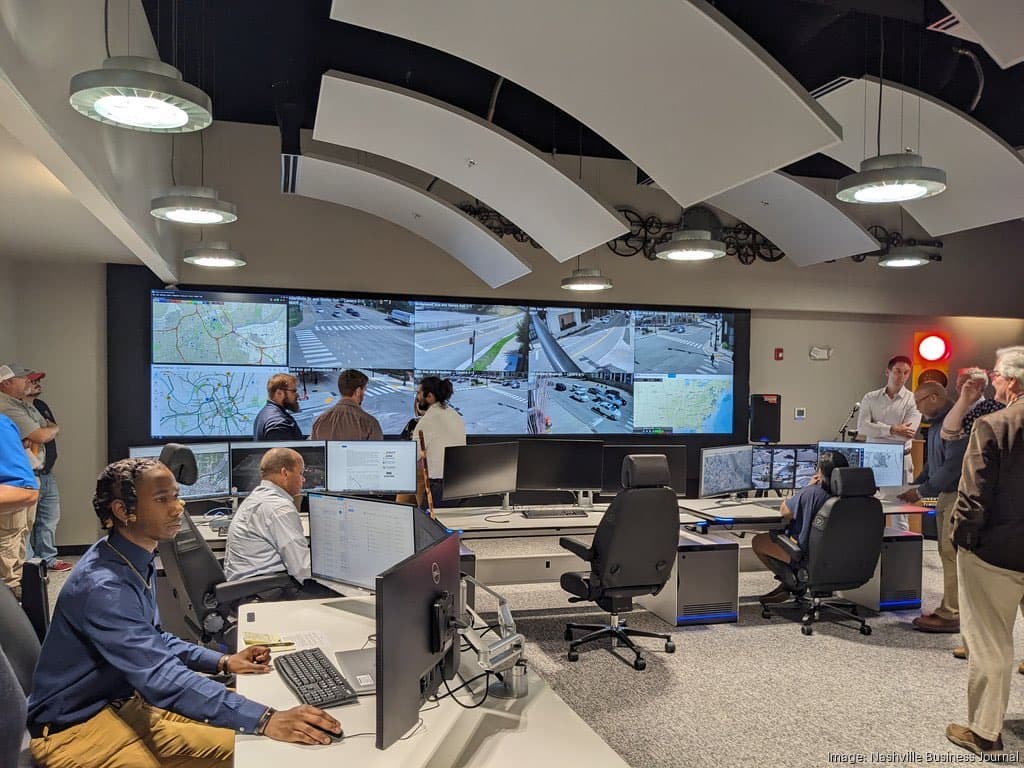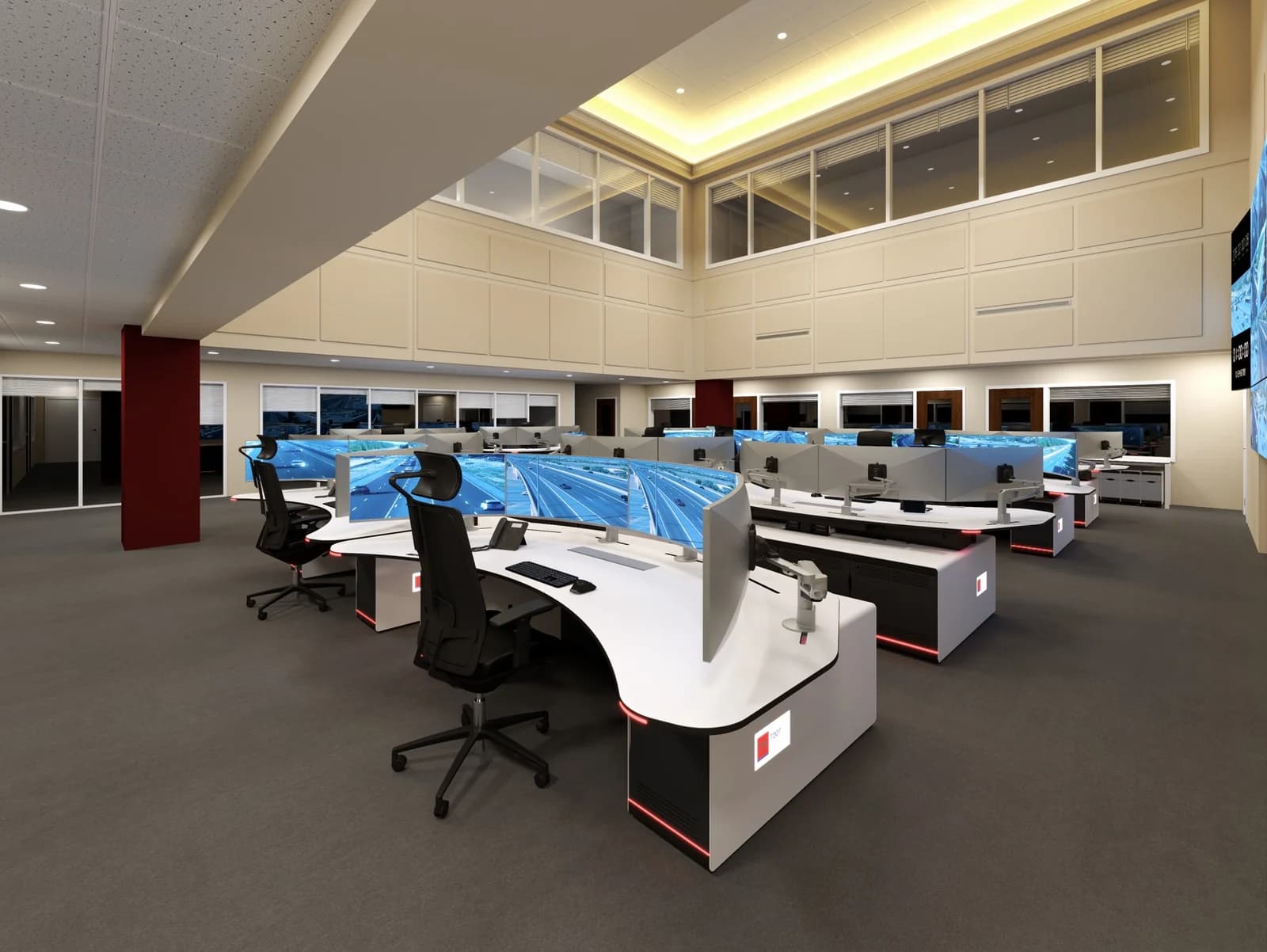
Odessa Traffic Signal Control Room for Centralized Traffic Management
City of Odessa Traffic Signal Shop
At a Glance
Solution
Centralized Traffic Management System Environment
Location
Odessa, TX
At a Glance
Solution: Traffic Management System (TMS)
Location: Odessa, TX
The Challenge: Monitoring 150 Signalized Intersections from Separate Workstations
As Odessa's traffic signal network grew more complex, the City's Traffic Signal Shop, part of the Public Works and Traffic Engineering Division responsible for maintaining and improving the City's traffic signal infrastructure, identified a critical gap: limited situational awareness within its Traffic Management Office. Staff relied on individual workstations and smaller monitors, manually switching between software platforms, camera feeds, and signal timing tools on separate screens. Monitoring multiple intersections at once was difficult, coordination during incidents was reactive, and training new staff on a fragmented system was time-consuming.
The City wasn't looking for a bigger display. It needed a workspace designed around the way its team actually works, one space capable of supporting live monitoring, training, team collaboration, and communication with leadership, without needing to be reconfigured for each function.
The Solution: An ISO 11064 Traffic Management System (TMS) Control Room
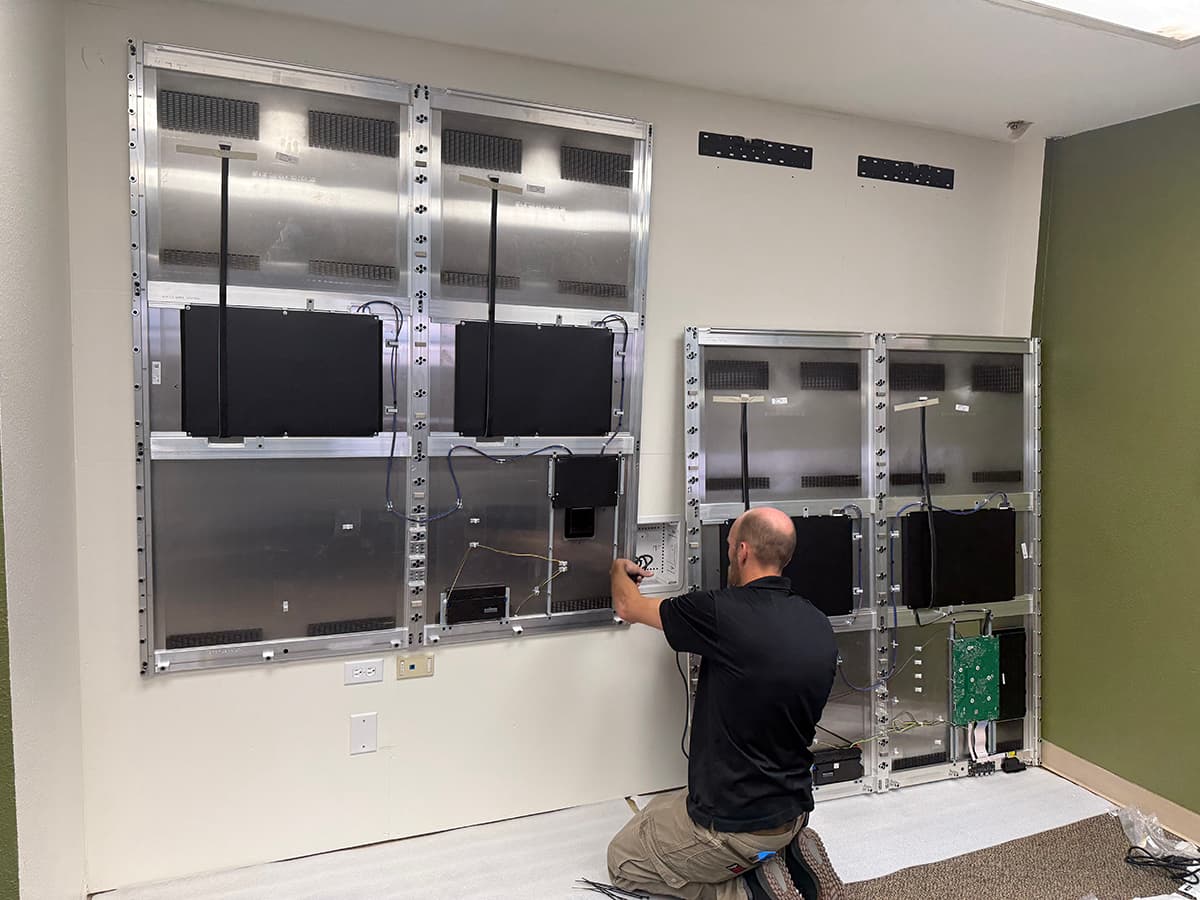
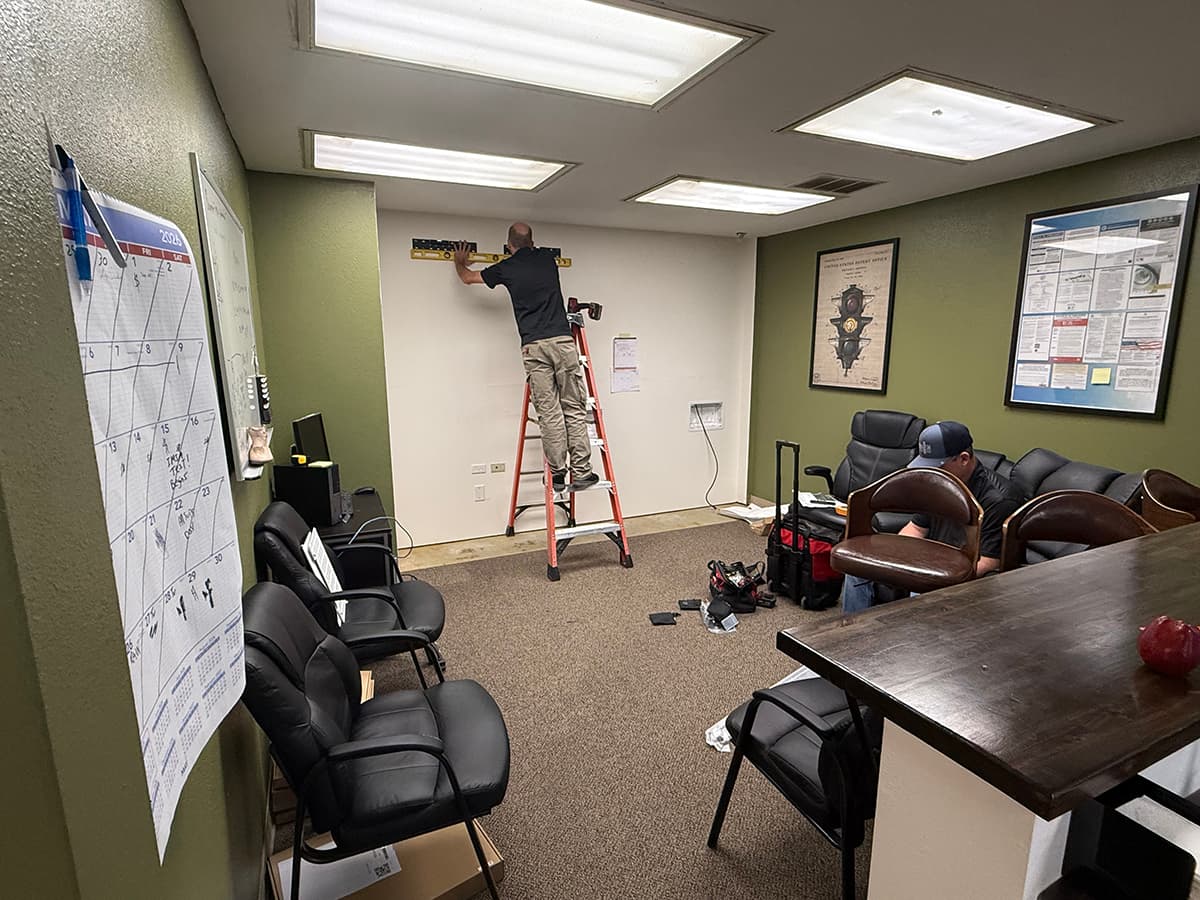
Fountainhead Control Rooms partnered with the City of Odessa's Traffic Signal Shop to design and build a dedicated Traffic Management System (TMS) environment.
The project began with our operator-focused design methodology, following the principles of ISO 11064 for control room design. Working alongside City staff and end users, our team evaluated operational workflows, technology requirements, viewing angles, and future expansion plans before recommending a solution. Every decision was based on how the room would actually be used day to day, not simply which hardware to install.
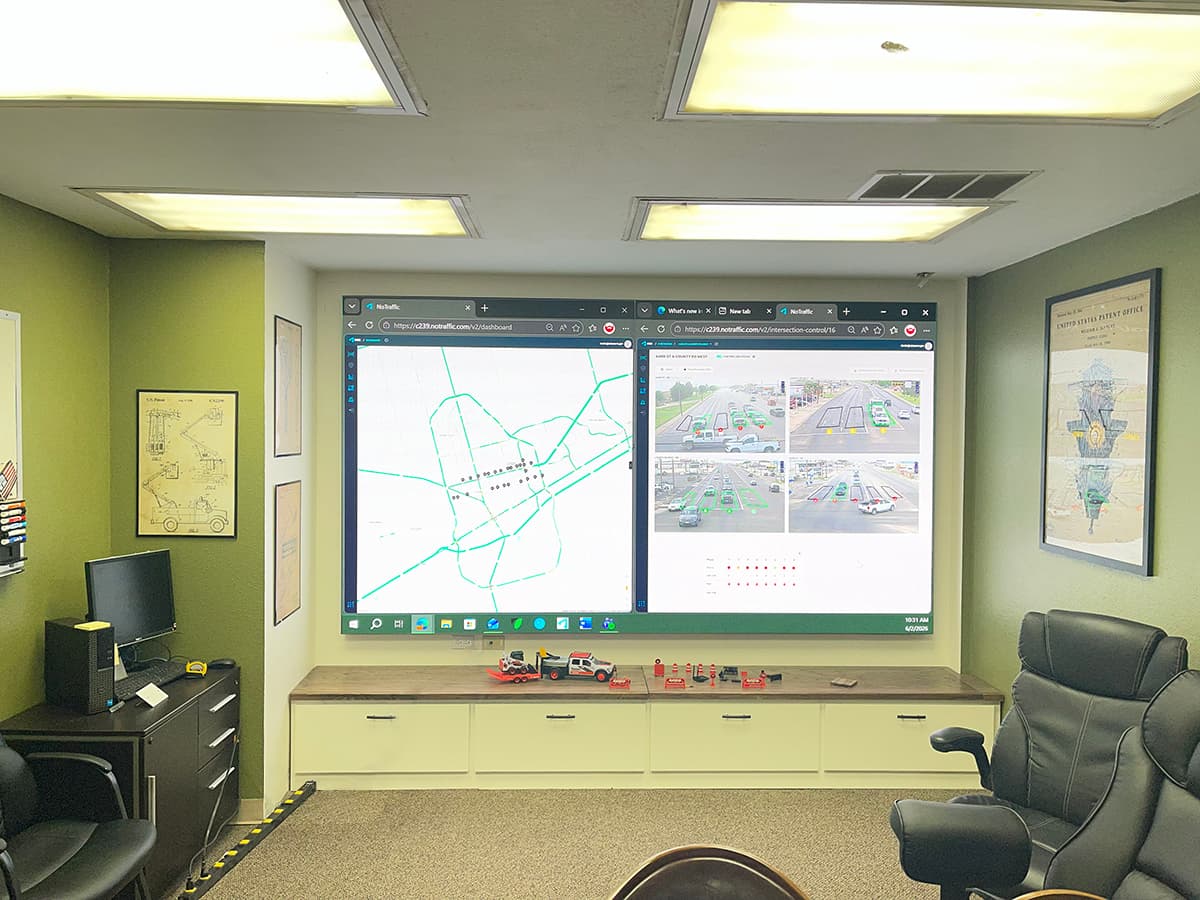
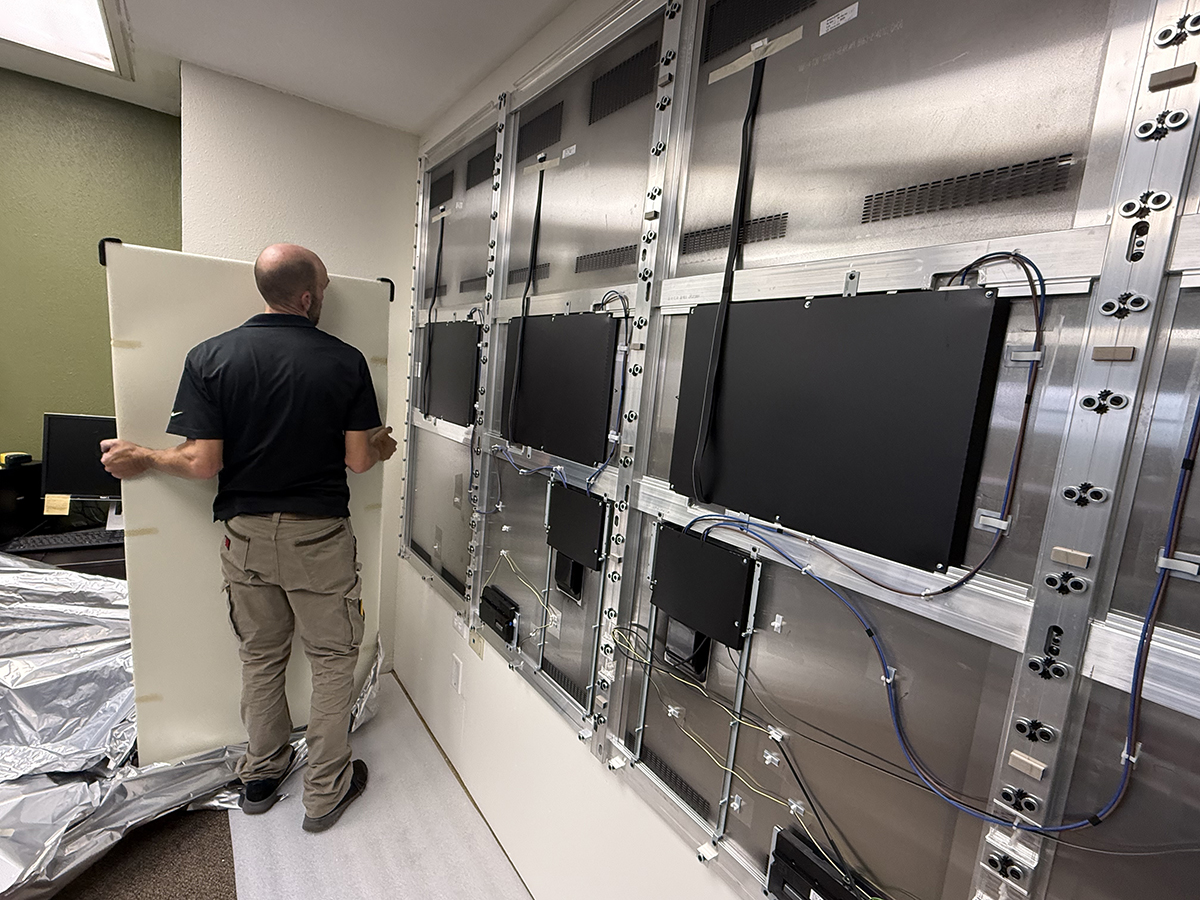
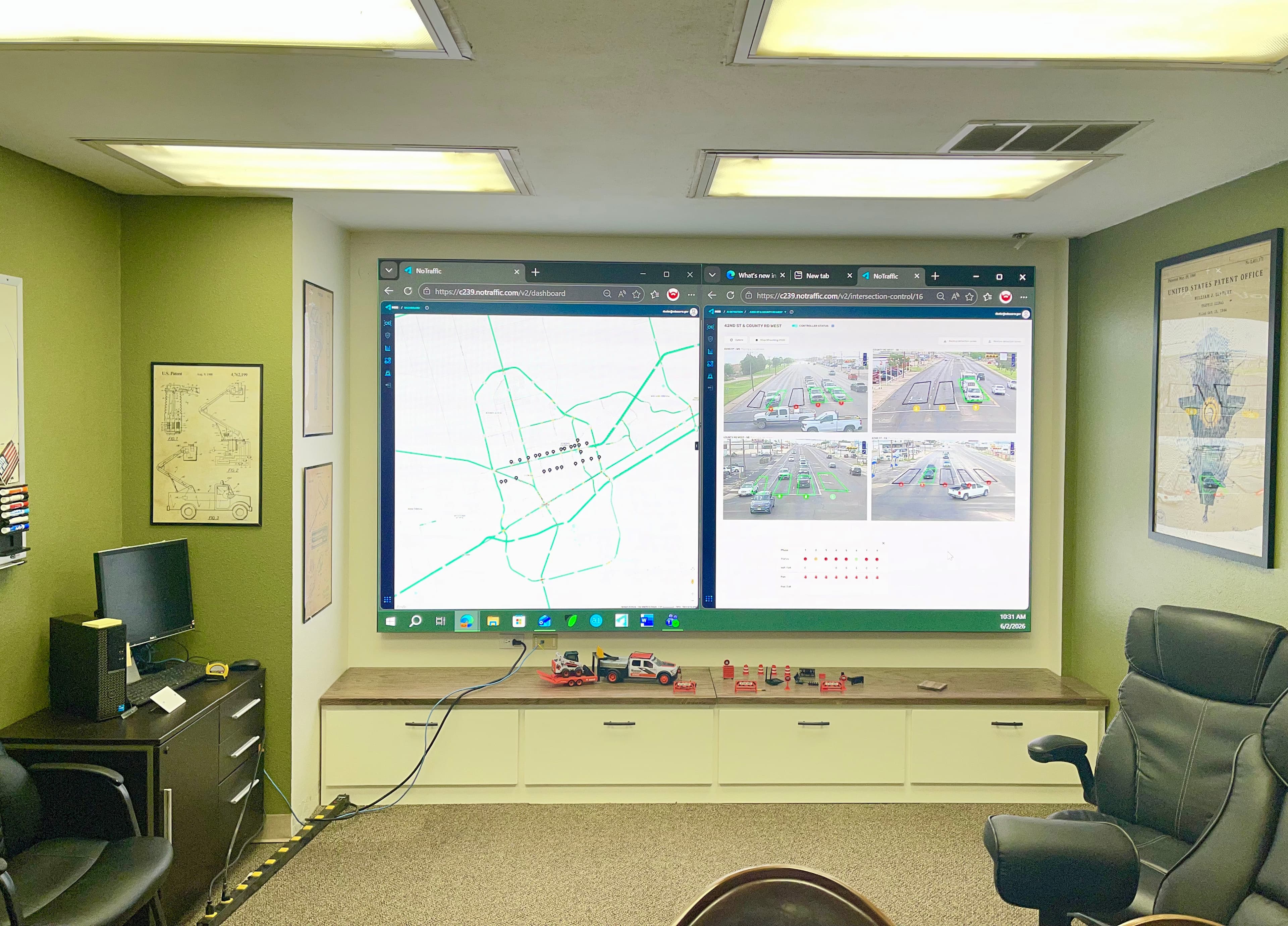
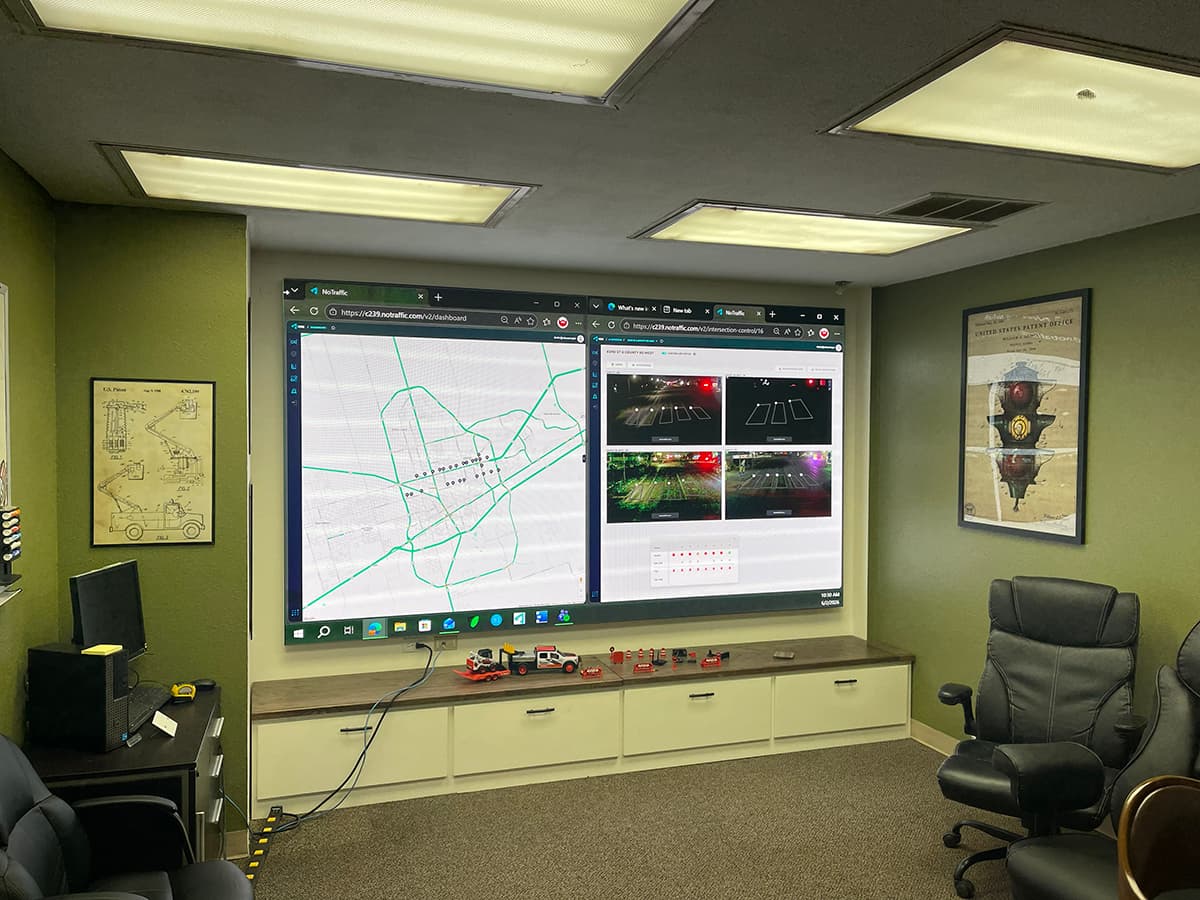
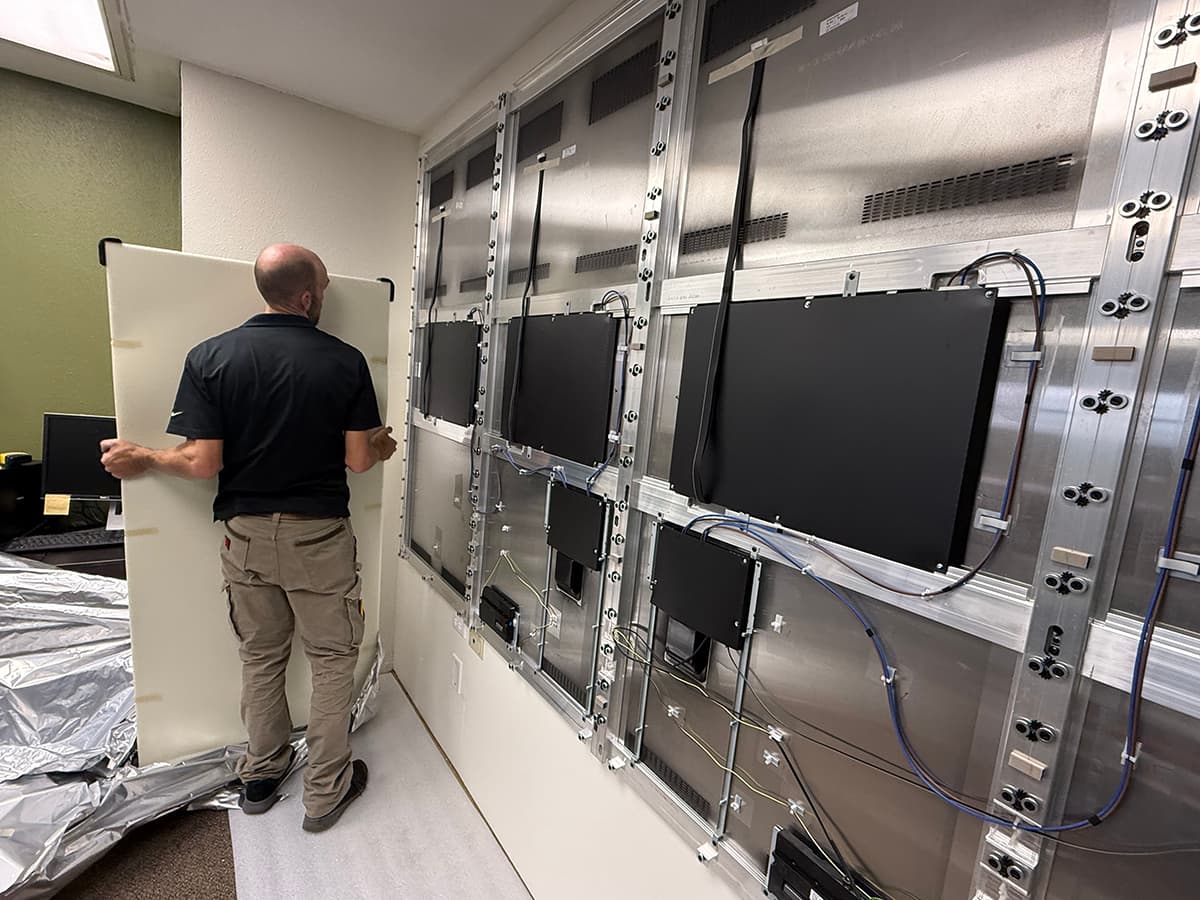
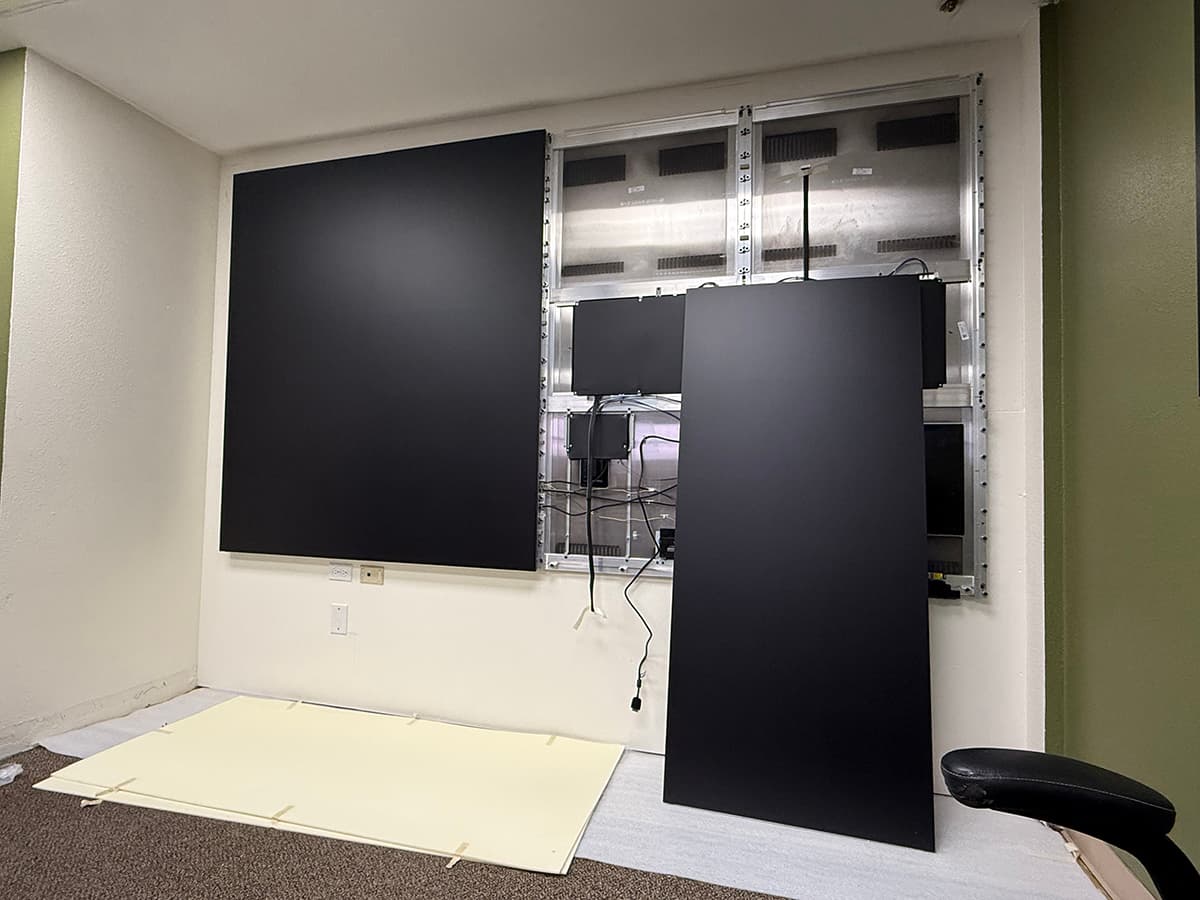
The finished environment is centered on a 136-inch Samsung The Wall All-in-One LED display, complemented by a 65-inch commercial-grade 4K UHD display with 500-nit brightness. Together, the two displays give the team a shared operational view of the City's Traffic Management System while also supporting meetings, training sessions, and stakeholder presentations, without reconfiguring the room.
The AV environment was designed to serve four functions within a single flexible space: a live TMS monitoring area for real-time operations, a training and workforce development center, a team meeting and briefing room, and an executive demonstration environment for leadership and stakeholders.
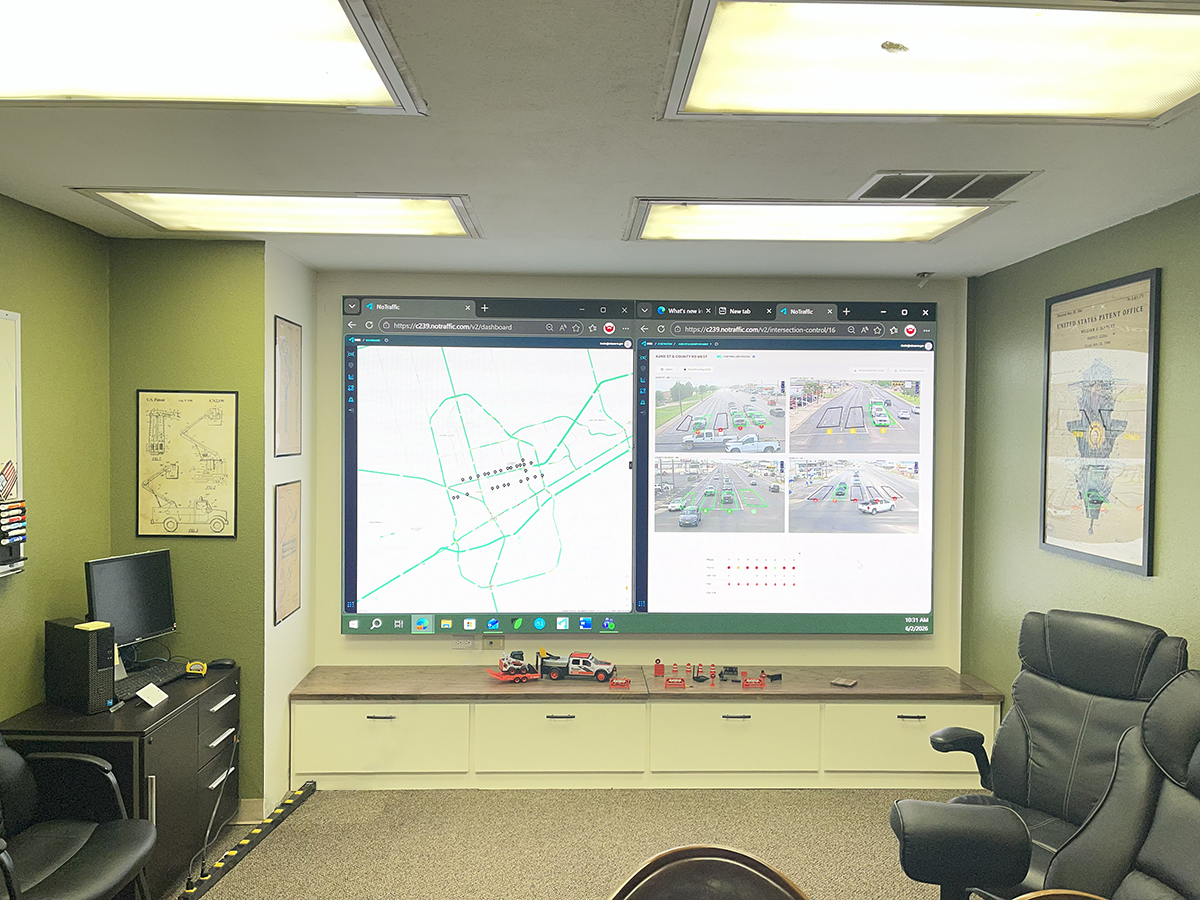
Inside the TMS Control Room: Monitoring, Training, and Briefings in One Space
On a typical day, the environment serves as the team's primary monitoring area, where staff oversee the City's signal network in real time. The large-format display lets operators surface camera feeds, signal status, corridor performance metrics, and live TMS data side by side, without toggling between individual workstations.
The space also functions as a shared break and meeting area, giving staff a place to step away from daily operations while remaining ready for a rapid transition into briefings, incident reviews, or training.
Training has been one of the most immediately felt benefits. Using the City's AI-assisted vehicle detection system, staff can now display and compare multiple intersections at once during training sessions, something that wasn't possible on individual workstations. The 42nd Street corridor (State Highway 191), where recent signal optimization work has taken place, is frequently used as a live training case: staff can observe signal progression between intersections, evaluate timing performance, and identify coordination issues in real time.
What Changed for the Odessa Traffic Signal Shop
Since the project was completed, the Traffic Signal Shop has reported:
Improved departmental collaboration, with the full team able to gather around a single display to review performance and align on solutions.
Faster onboarding, with less time needed to train new staff on system operations.
More confident use of AI-assisted signal tools, as staff can observe corridor behavior together in real time.
Faster operational decision-making, with a shared visual understanding shortening the path from observation to action.
Read the full case study
About Odessa, Texas and the Permian Basin Region
Located in the heart of the Permian Basin in West Texas, Odessa is one of the region's fastest-growing cities. Population grew from 99,940 in the 2010 census to approximately 122,707 as of 2025, an increase of more than 18 percent over the decade.¹ The city sits along Interstate 20 and State Highway 191 (42nd Street), two of the most heavily trafficked corridors in West Texas, and serves as the economic hub of Ector County and the broader Midland-Odessa metropolitan area, which surpassed 359,000 residents in the 2020 census.²
The Traffic Signal Shop is responsible for maintaining, repairing, and improving roughly 150 traffic signal systems across the city, coordinating with Engineering, Planning, Police, Legal, and the Texas Department of Transportation.
TxDOT's $1.5 Billion Investment in the Odessa Traffic Network
Odessa's growth is closely tied to the Permian Basin's energy industry, which continues to drive workforce migration, commercial development, and rising vehicle traffic across the city's road network. The TxDOT Odessa District, which spans 12 counties with a combined population exceeding 427,000 and more than 8,200 lane miles of roadway, reports over 15.6 million daily vehicle miles traveled and is managing $1.5 billion in active infrastructure projects, with an additional $420 million in planned FY 2026 lettings.³
AI-Powered Signal Technology Across Odessa's Intersections
As part of its broader modernization efforts, the City has been deploying AI-assisted traffic signal management technology across its signalized intersections, including the NoTraffic vehicle detection platform, which has received formal approval from TxDOT.⁴ Similar AI-powered traffic systems are now in use in a number of other Texas cities.⁵ The centralized TMS environment Fountainhead designed provides the infrastructure backbone to support this ongoing modernization: as new data sources, camera feeds, and signal technologies are added to the network, the space and the team using it are ready to absorb them.
Why This Matters for Other Traffic Signal Shops and DOT Control Rooms
Odessa's experience reflects a challenge facing traffic operations teams in cities of every size. As signal networks grow more sophisticated and data-rich, the ability to see the full picture in real time becomes a competitive advantage. Individual workstations and small monitors cannot support the level of situational awareness that modern traffic management requires.
What Fountainhead designed for Odessa is not a display upgrade. It is a shift in how a traffic operations team works, aligning monitoring, training, collaboration, and stakeholder communication into a single, purpose-built space. For any Traffic Signal Shop managing a growing network, deploying AI-powered tools, or preparing its workforce for the next generation of transportation technology, it represents a model worth examining.
Sources:
¹ U.S. Census Bureau, "QuickFacts: Odessa City, Texas," United States Census Bureau, accessed July 2026, https://www.census.gov/quickfacts/odessacitytexas.
² U.S. Census Bureau, "QuickFacts: Midland-Odessa Metropolitan Statistical Area," United States Census Bureau, accessed July 2026, https://www.census.gov/quickfacts/midlandodessa/midlandcitytexas.
³ Eric Lykins, "TxDOT Odessa District Update," Permian Road Safety Coalition, May 2025, https://permianroadsafety.org/wp-content/uploads/2025/05/TxDOT-Odessa-Update-Eric-Lykins.pdf.
⁴ NoTraffic, "NoTraffic Continues Expansion in Texas After TxDOT RVDS Approval," NoTraffic News, March 10, 2025, https://www.notraffic.com/news-media/notraffic-continues-expansion-in-texas/.
⁵ NoTraffic, "NoTraffic Launches Nexus OMNI: A Compact, High-Performance Traffic Solution Designed for the Future," PRWeb, August 25, 2025, https://www.prweb.com/releases/notraffic-launches-nexus-omni-a-compact-high-performance-traffic-solution-designed-for-the-future.
Project Gallery
Inside the Facility
If I had to explain the value of this room to another Traffic Signal Shop, I would say it transforms day-to-day operations from individual workstation-based work into a true centralized Traffic Management System environment.
Rhett Butler
City of Odessa Traffic Signal Shop
Ready to Build Your Control Room?
Request a same-day consultation by calling us at 404.990.3748 or click below.
Related Projects