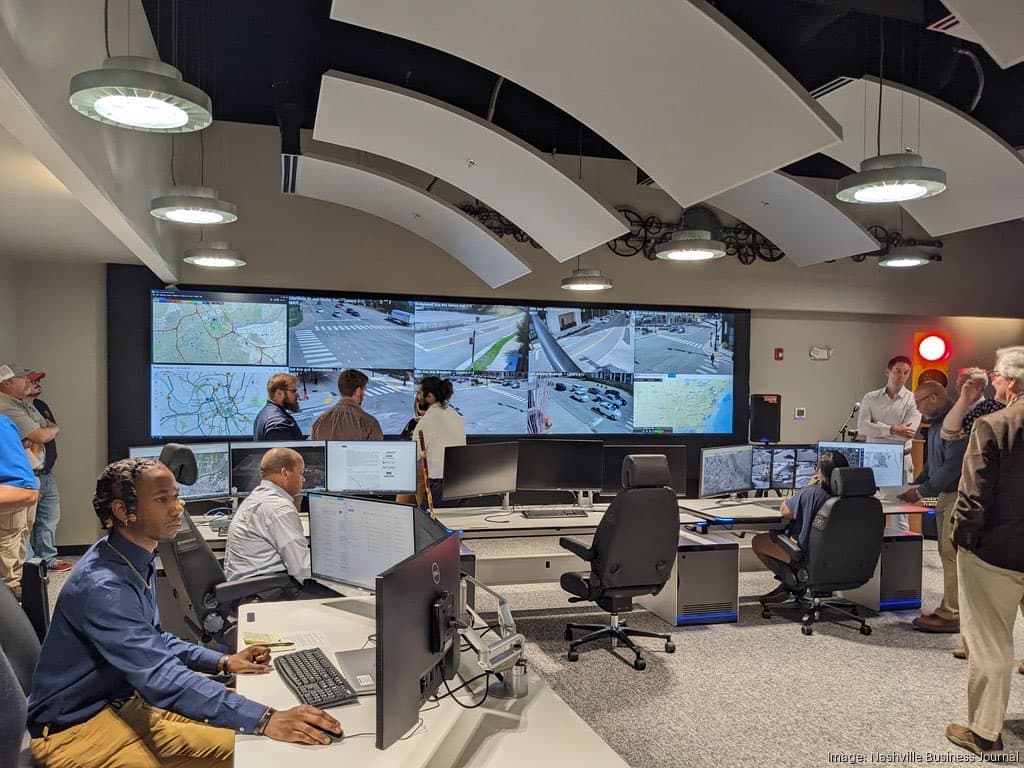
Nashville’s First Traffic Management Center
Nashville Department of Transportation and Multimodal Infrastructure
At a Glance
Solution
Designed and delivered the Traffic Management Center
Location
Nashville, Tennessee
Products Used
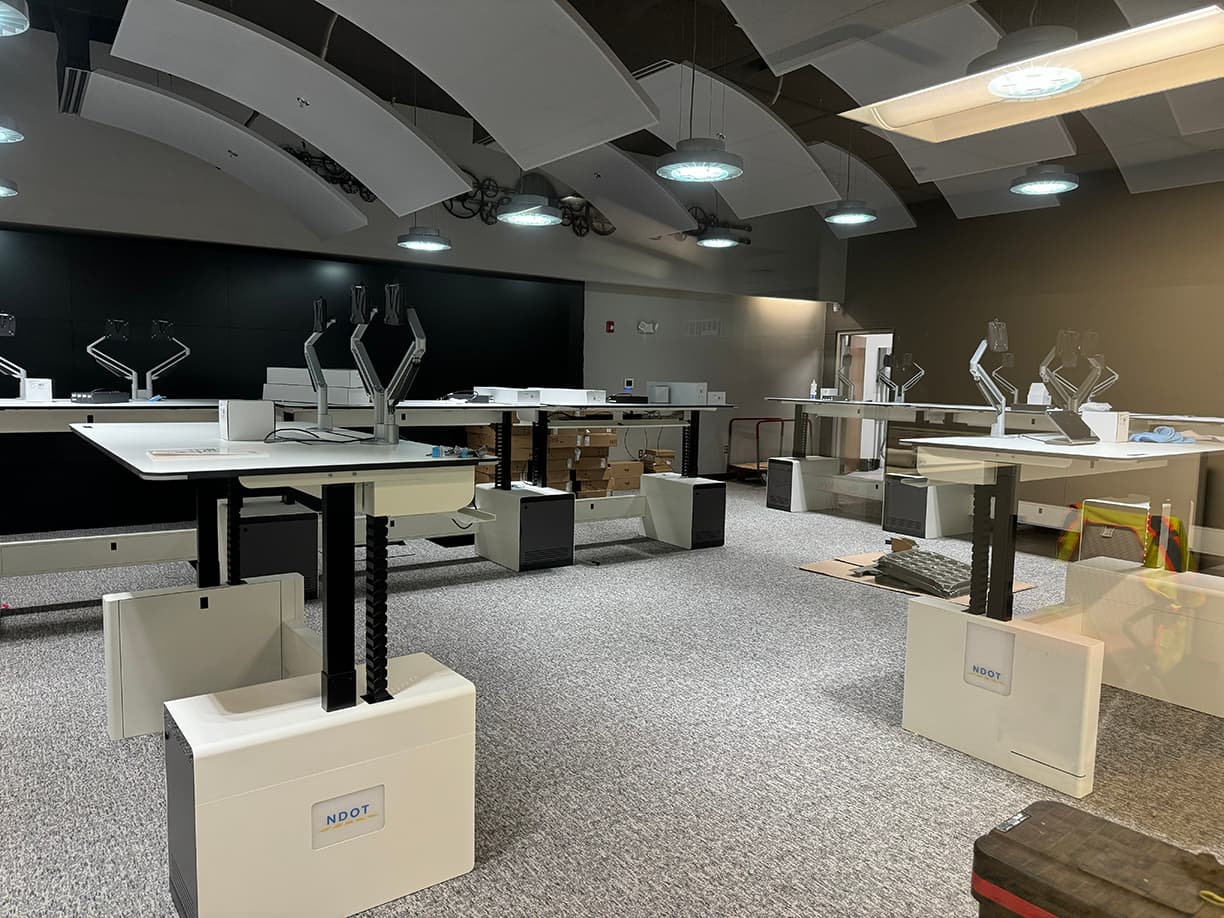
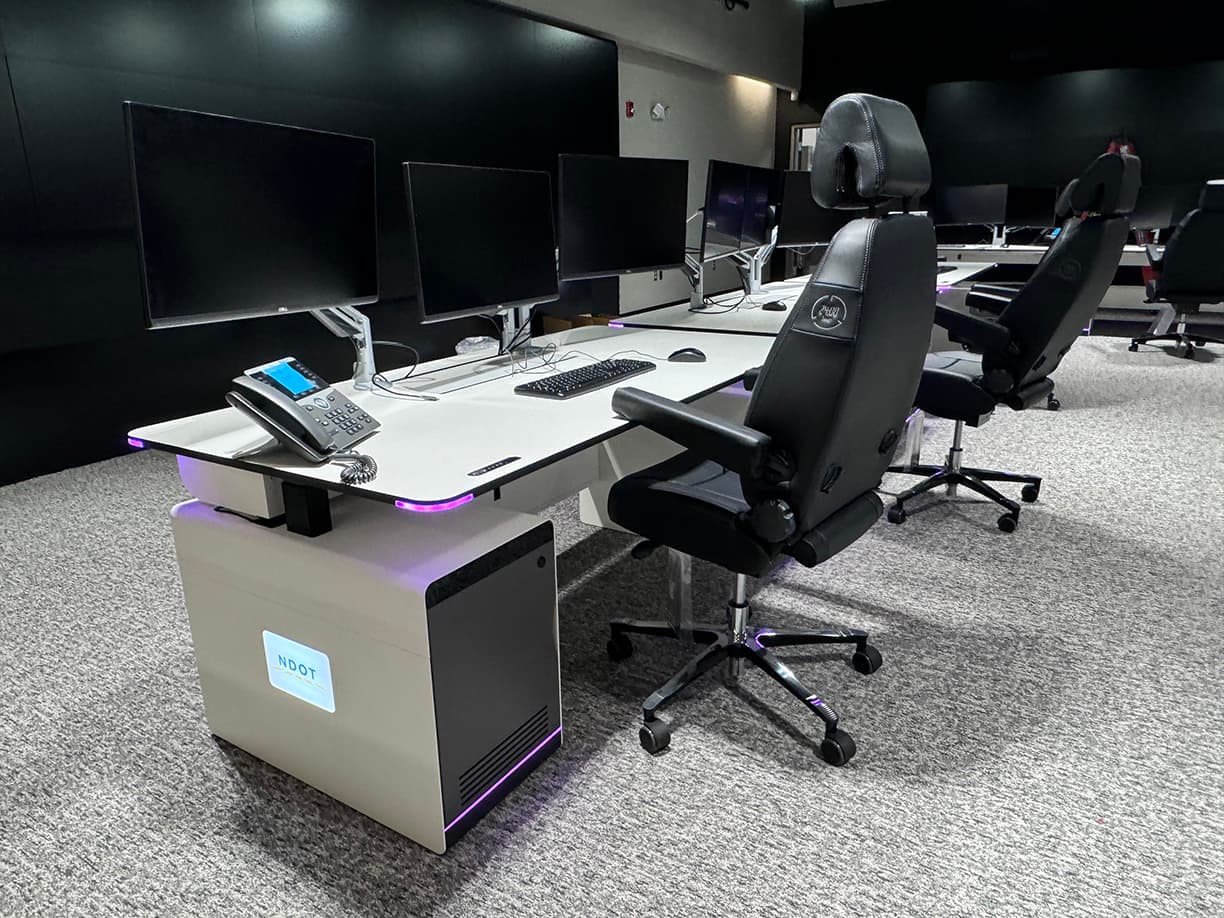
Ergonomic sit stand control room consoles
Transforming an Existing Space into Nashville's First Traffic Management Center
Nashville Department of Transportation and Multimodal Infrastructure (NDOT) opened its first Traffic Management Center in 2024 to support more coordinated, real-time transportation operations across Nashville and Davidson County. Fountainhead Control Rooms designed and delivered the complete turnkey environment, transforming an existing space into a scalable hub for traffic monitoring, incident coordination, traffic signal operations, and future smart-mobility initiatives.
Fountainhead’s Role
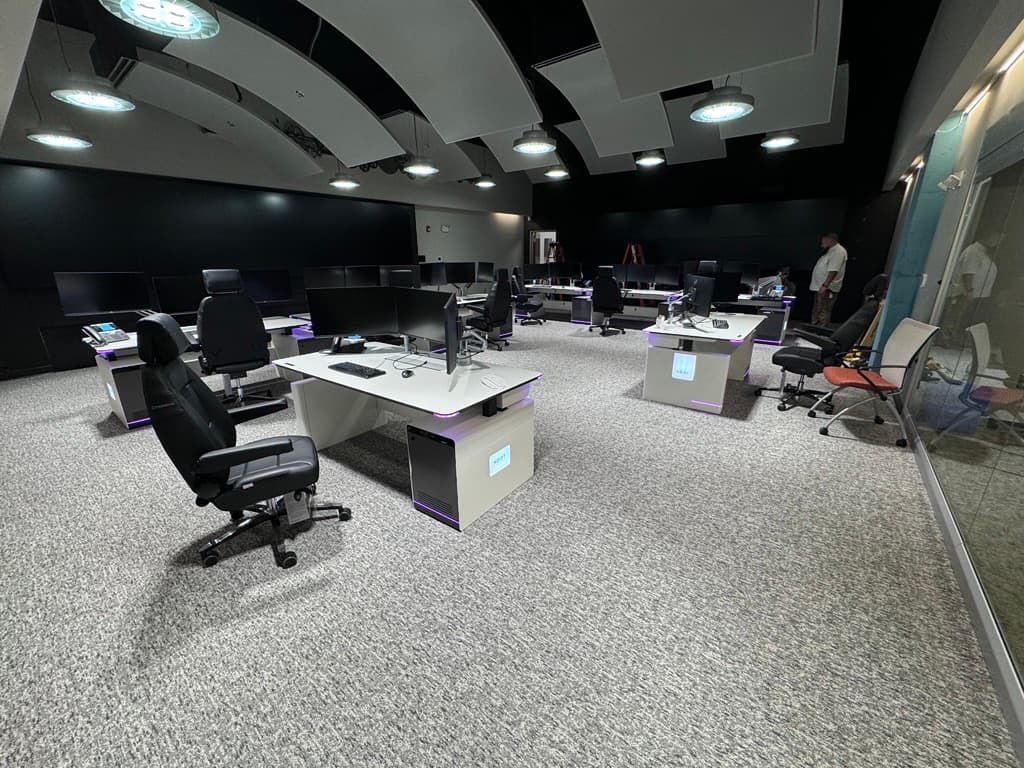
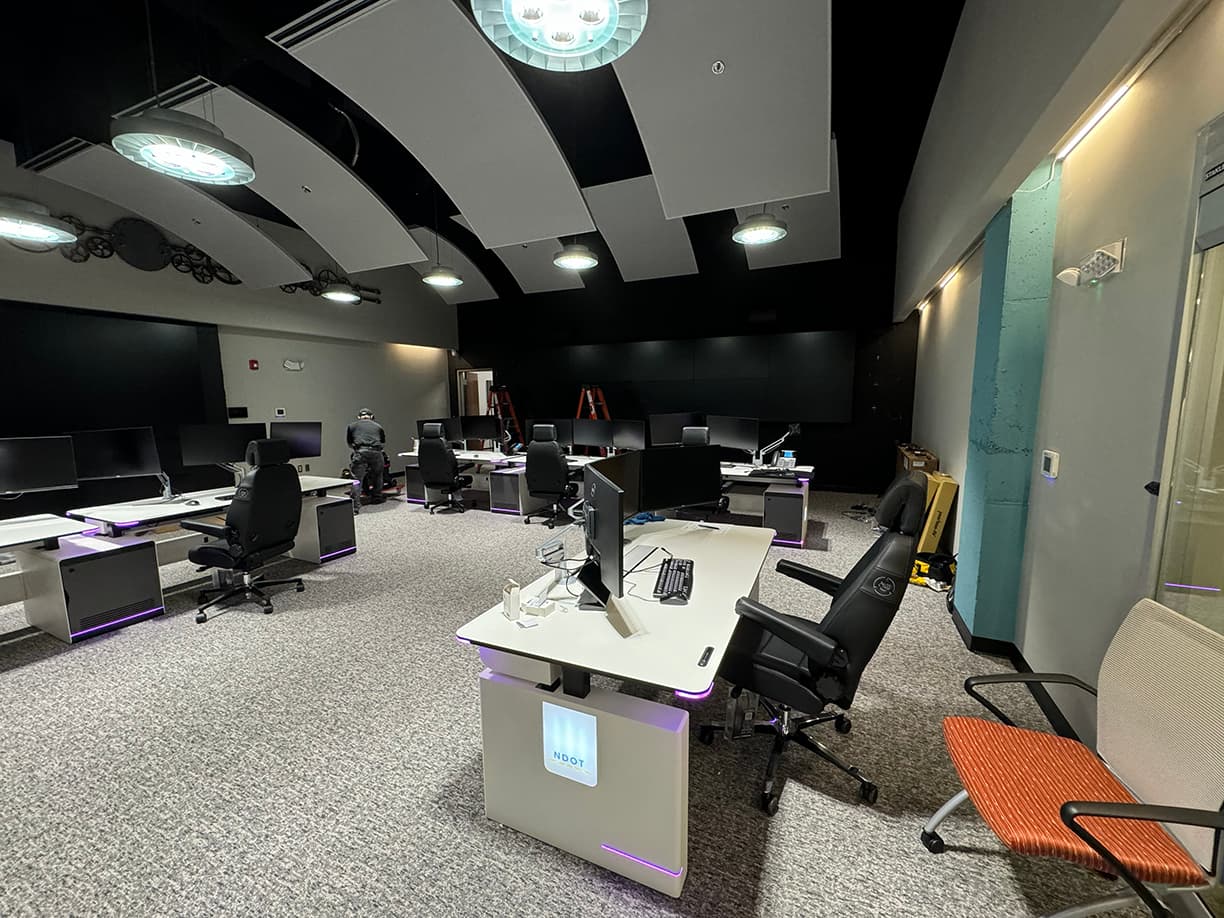
For Nashville DOT in Nashville, Tennessee, Fountainhead Control Rooms transformed an existing space into the city's first Traffic Management Center. The turnkey project created a modern transportation operations environment with ergonomic operator transportation control room consoles, an integrated visualization environment, and capacity for future smart-mobility technologies. The new TMC provides NDOT with a centralized setting for traffic monitoring, incident management, and multimodal transportation operations. With Nashville complete, Fountainhead has delivered TMCs across all four regions of the TDOT SmartWay network.
The Control Room Challenge
NDOT needed to convert an existing room into a Traffic Management Center capable of supporting real-time transportation operations, incident coordination, and continuous use. The space was not configured for the workflow, technology integration, ergonomics, or operator capacity a modern TMC requires.
The project required more than replacement furniture. NDOT needed a centralized operational environment that could:
Bring multiple information sources together in a shared view
Support several operators and partner agencies simultaneously
Improve comfort and ergonomics for staff working extended shifts
Retain flexibility as Nashville's transportation systems and operational needs evolve
Be delivered through an efficient, coordinated procurement and installation process
Fountainhead worked directly with NDOT, city staff, and project stakeholders to align the room design with these priorities from the outset.
Our Traffic Management Center Design Approach
Fountainhead partnered directly with NDOT to provide a complete turnkey solution from early design through installation. The design process began with the operator experience rather than the technology.
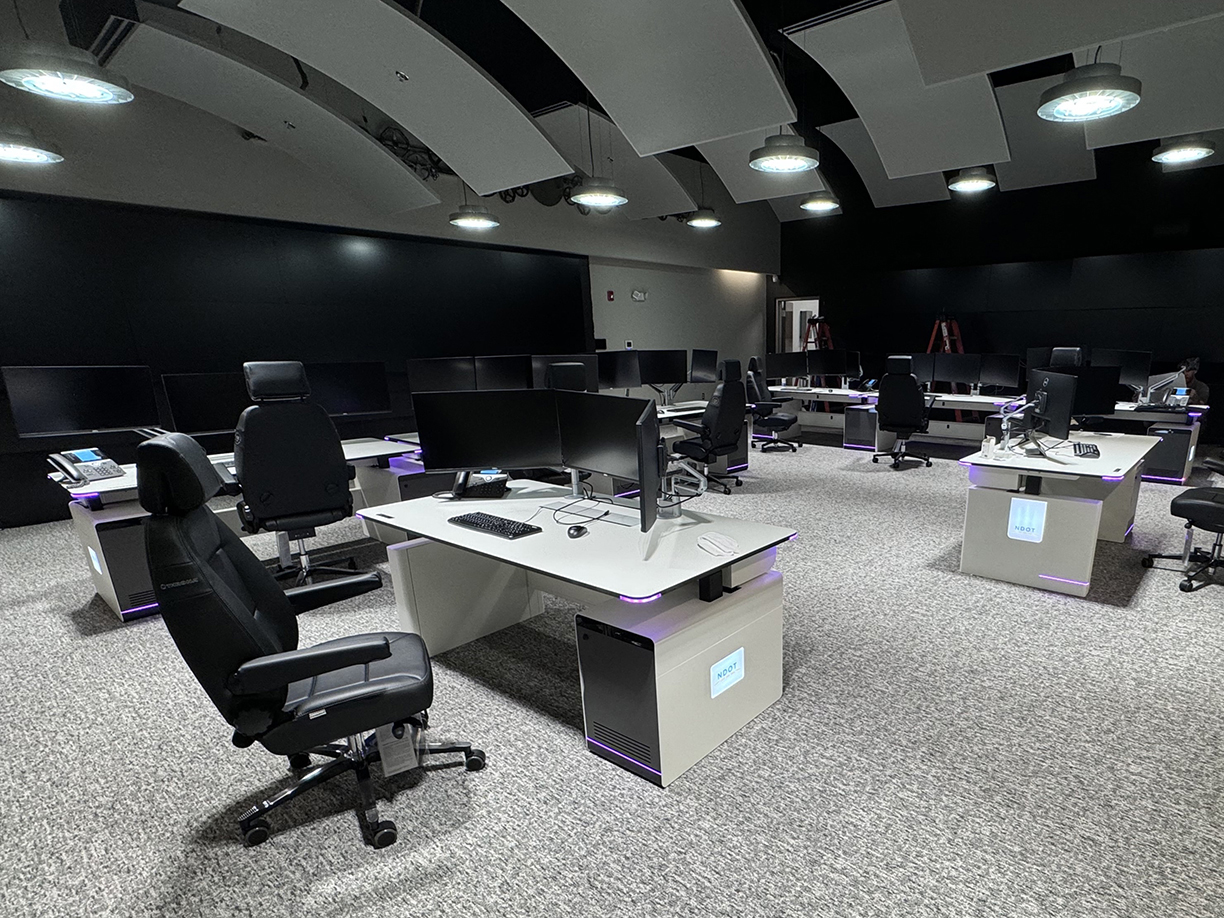
Working with operators, city staff, and project stakeholders, Fountainhead redesigned the operator consoles and overall room layout to improve workflow, operator comfort, and capacity.
Operator Workstations
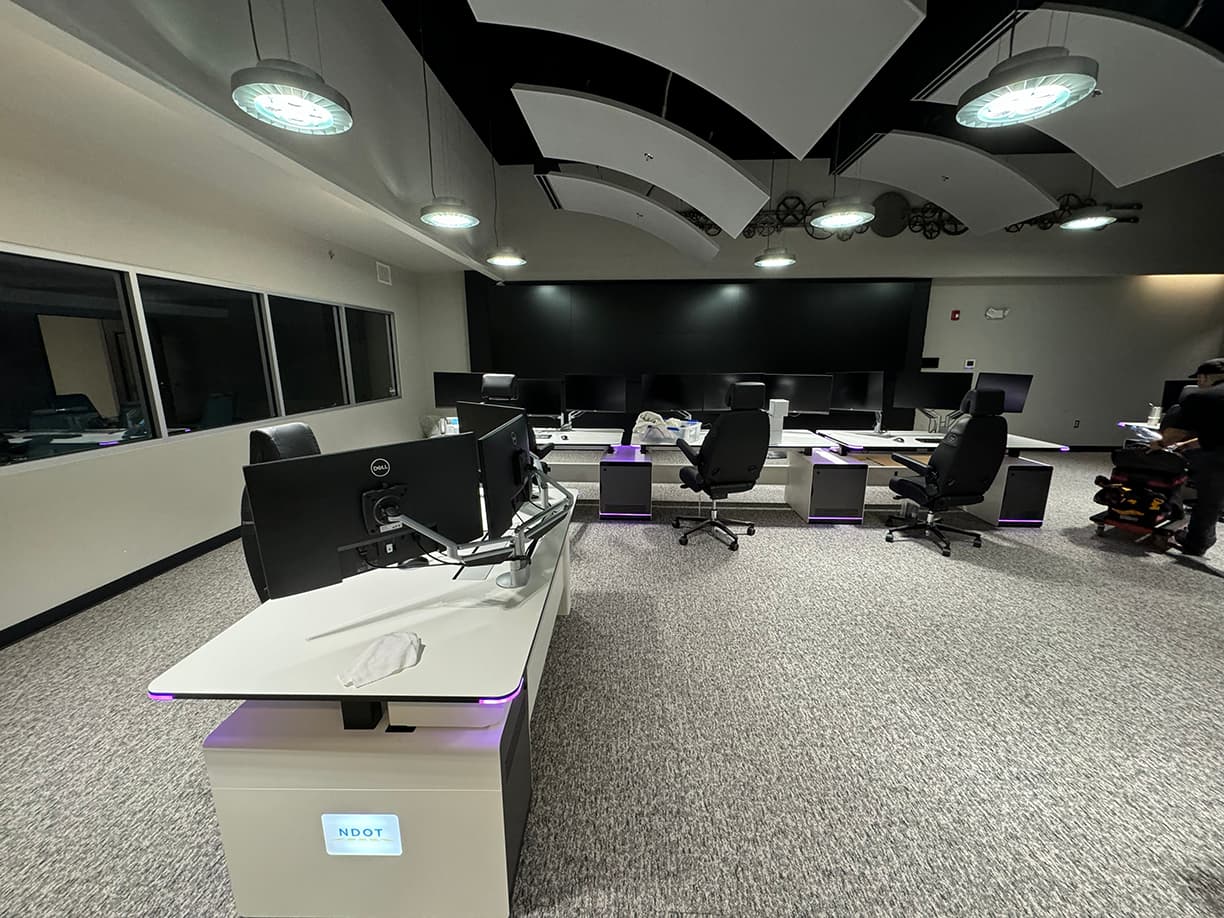
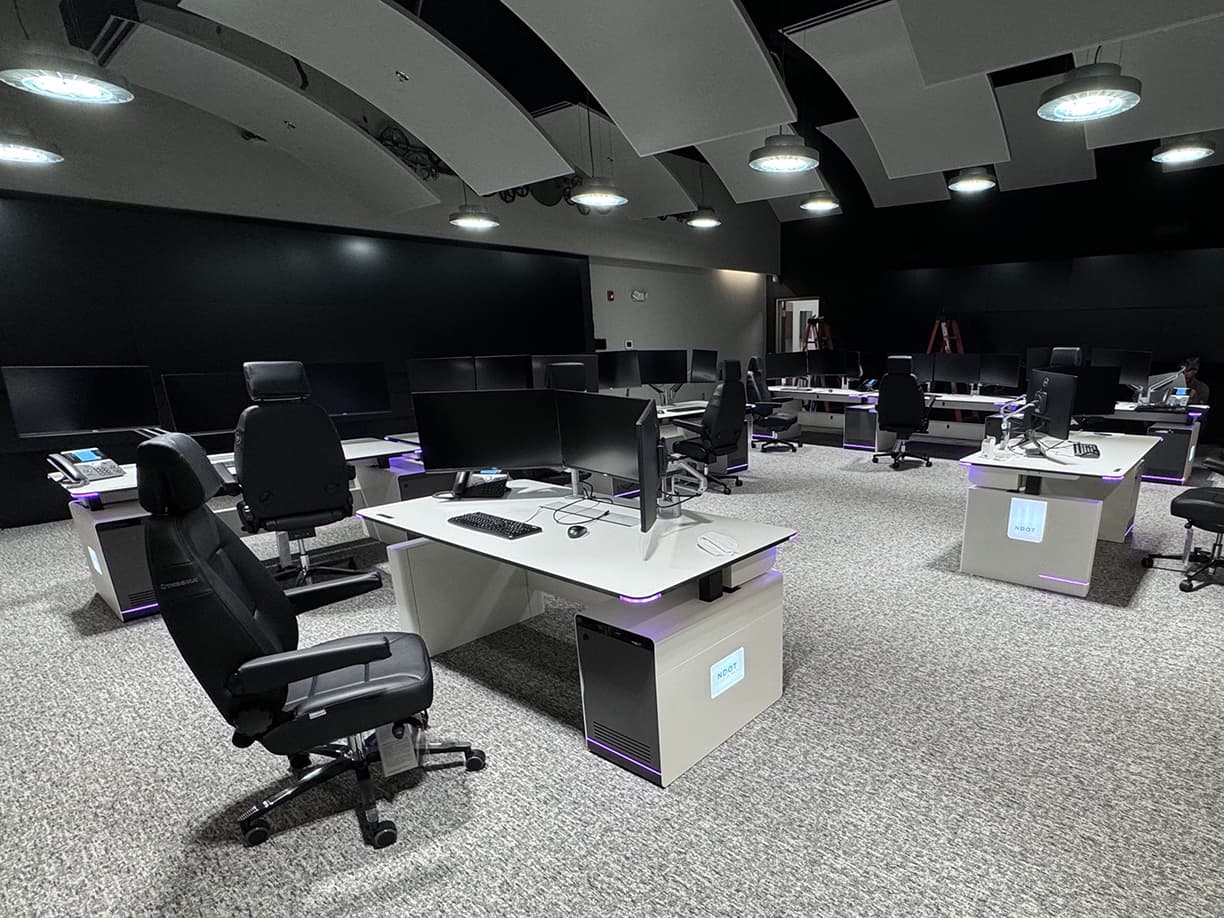
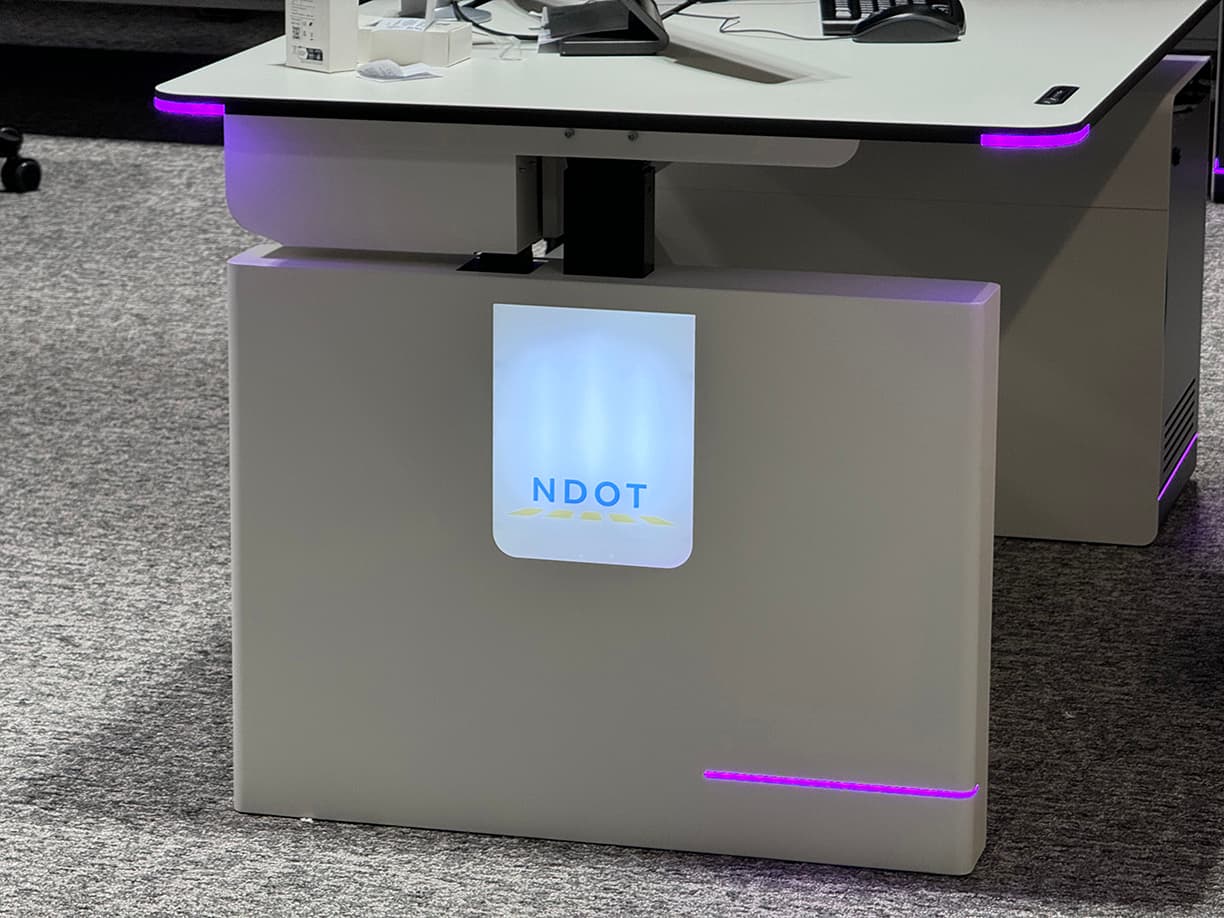
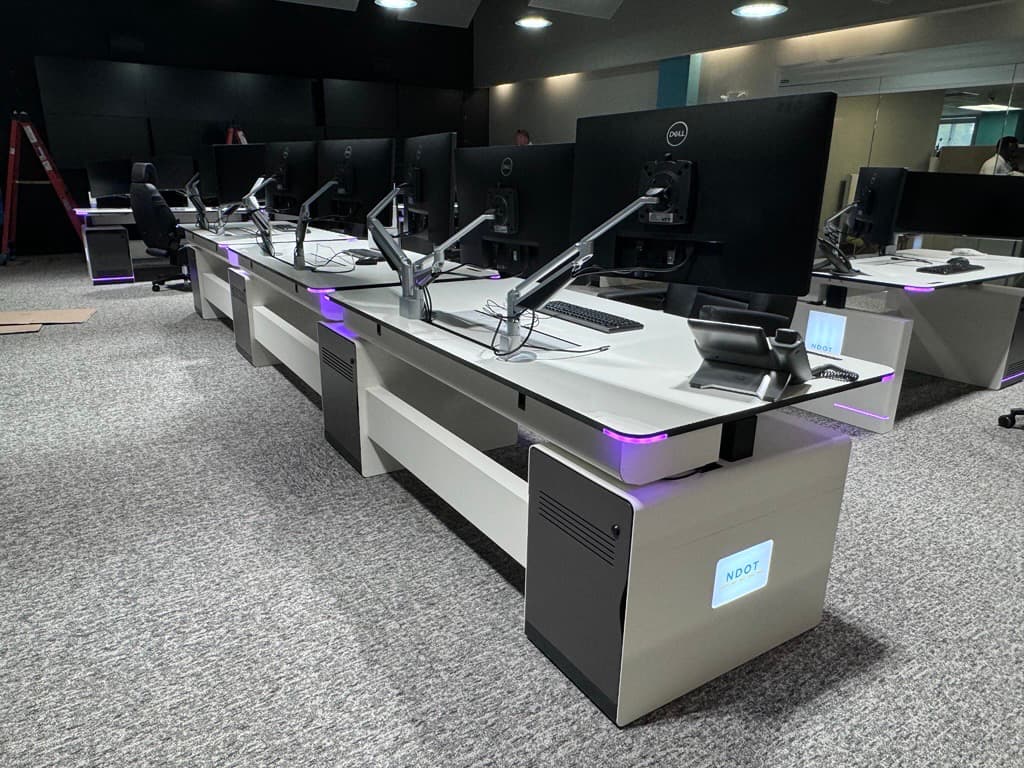
The new ergonomically advanced sit-stand operator consoles were designed for continuous operations and paired with intensive-use, 24/7 seating. Each position gives operators an individual workspace built for sustained performance while supporting visibility, comfort, and access to the tools used during transportation monitoring and incident coordination.
Shared Visualization Environment
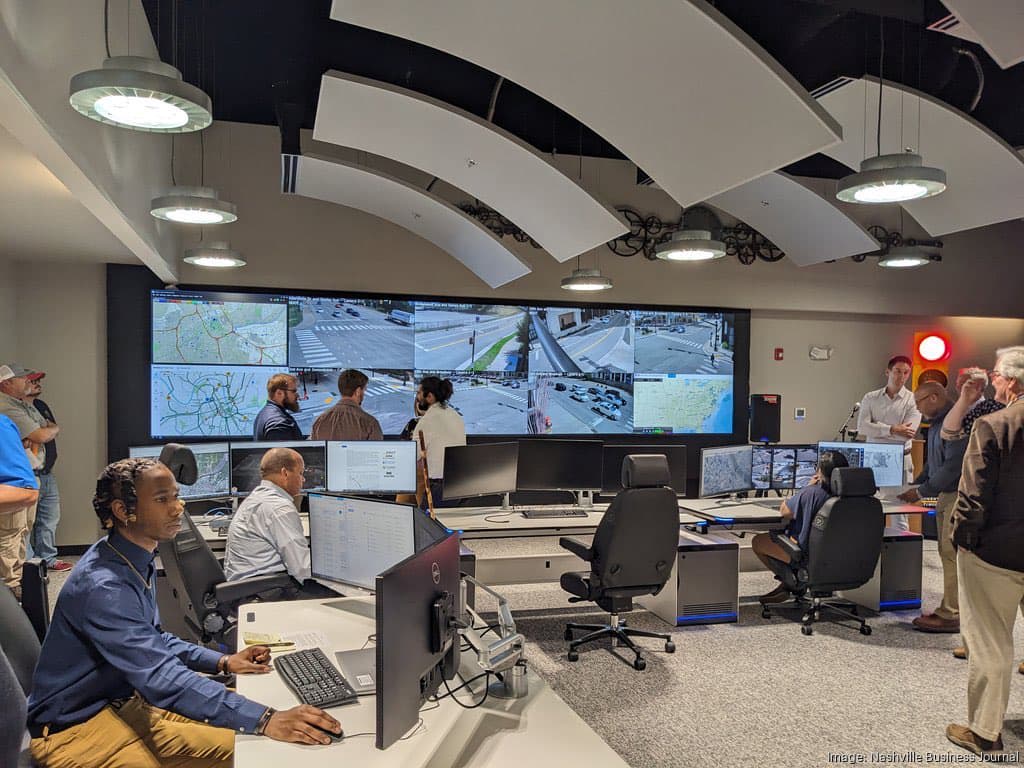
Fountainhead redesigned the visualization environment to support a shared operational picture. Operators and stakeholders can view live transportation video, roadway information, traffic conditions, signal-related data, and the city's video management platform in one coordinated environment. This shared visibility supports faster communication during incidents, work zones, major events, and changing roadway conditions.
Room Infrastructure and Scalability
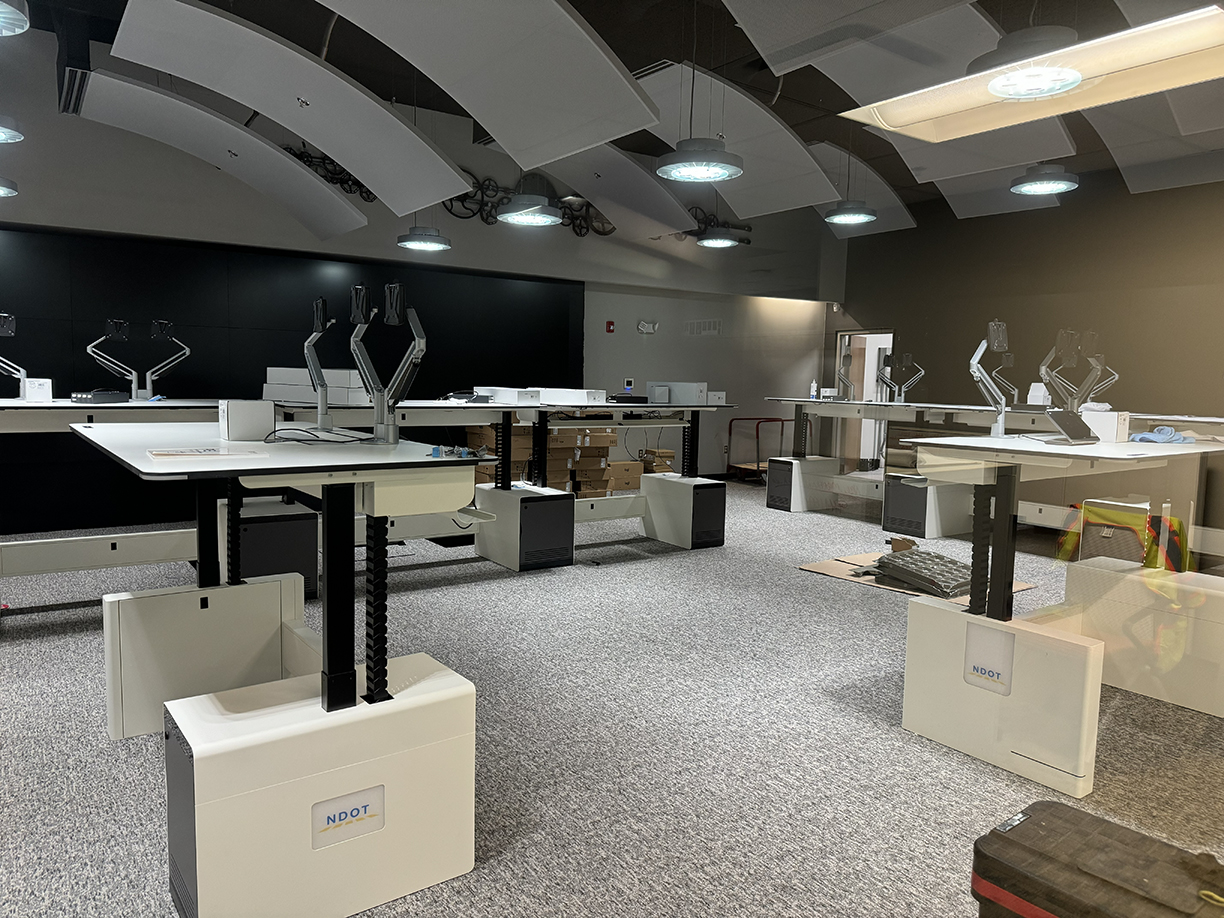
The design incorporated the existing raised-access flooring, making productive use of available infrastructure while creating a clean, organized environment ready for future technology expansion. The room was also configured to support multiple operators and coordination with partner agencies as operational needs evolve.
Procurement and Project Management
Fountainhead's turnkey role extended beyond furnishing and installation. The team worked with NDOT to identify an appropriate procurement vehicle, helping the city move efficiently from concept to implementation while coordinating room design, furniture, visualization, and installation as one integrated solution.
Nashville Traffic Management Center Results
The redesigned Traffic Management Center gives NDOT a more capable workspace without increasing the room's footprint. Operators now work from a shared environment that supports daily traffic monitoring, incident response, training, and coordination during major events.
By designing the room around the operators rather than the technology, the space is easier to use today and ready to accommodate future transportation initiatives as Nashville continues to grow. Just as importantly, the city gained a single partner responsible for the project from control room design through final installation.
Key Results Include
An operator-centered room layout that supports ergonomic, continuous-use workstations and intensive-use seating
A unified visualization environment that helps teams share transportation information and coordinate operational decisions
Space for multiple operators and collaboration with partner agencies as operational needs evolve
A scalable foundation for NDOT's continued work on traffic signals, transportation safety, transit reliability, and smart-mobility initiatives
A single accountable partner supporting the project from control room design through final installation
Read the full case study
Why Nashville Needed a Traffic Management Center
Nashville's growth has increased the complexity of managing congestion, travel reliability, road safety, transit operations, construction activity, and event-related traffic. Traditional traffic operations based primarily on periodic signal timing updates could not always keep pace with rapidly changing conditions across a growing transportation network.
NDOT needed a centralized environment where transportation staff could develop a common operational picture, monitor changing roadway conditions, coordinate responses, and support more active traffic signal and corridor management. The goal was not simply to add technology. It was to give operators, engineers, and partner agencies a functional place to use transportation information together.
The project team needed to address several operational priorities:
Create a centralized transportation operations environment within the existing room footprint
Improve ergonomics for staff working extended shifts at operator positions
Increase flexibility for multiple operators and partner-agency coordination
Provide a visualization strategy that helps teams interpret information together
Organize the space and infrastructure for future expansion as additional transportation systems and data sources are introduced
Deliver the project through a coordinated, efficient procurement and installation process
Fountainhead worked directly with NDOT, project stakeholders, and city staff to align the room design with these needs. The team's scope extended beyond consoles and seating to include the broader control room environment and the operational considerations that influence how well a TMC performs over time.
A Turnkey Traffic Management Center
Fountainhead Control Rooms delivered the project as a complete turnkey control room solution, helping NDOT move from an existing underutilized space to a finished, purpose-built Traffic Management Center.
The design process began with the operator experience. Fountainhead evaluated how staff would work at the consoles, what information they needed to see, how teams would coordinate during routine and elevated operations, and how the room could accommodate future growth.
The redesigned space includes ergonomically advanced sit-stand operator consoles paired with intensive-use seating for continuous operations. These positions provide operators with individual workspaces while supporting visibility, comfort, and access to the tools used during transportation monitoring and incident coordination.
Fountainhead also redesigned the visualization environment to support a shared operational picture. The system helps operators and stakeholders view transportation video, roadway information, traffic conditions, signal-related data, and other approved operational sources in one coordinated environment. This shared visibility helps teams communicate more efficiently when managing routine conditions, incidents, work zones, major events, and other changing roadway situations.
Because the project involved an existing facility, Fountainhead incorporated the room's raised access flooring into the final design. Retaining and using this infrastructure supported a cleaner, more organized installation while preserving flexibility for cable management, technology changes, and future upgrades.
Supporting Nashville’s Transportation Strategy
The Traffic Management Center provides the operational foundation for a broader NDOT strategy focused on safer, more reliable, and more multimodal travel. Nashville's transportation planning has emphasized smart traffic signals, transit reliability, safer pedestrian and bicycle conditions, and technology that helps the city respond to conditions as they change.
Nashville's voter-approved Choose How You Move program includes planned investment in smart signals, transit, sidewalks, and safety improvements. Official program materials describe nearly 600 planned new or upgraded traffic signals, as well as an objective to modernize traffic operations across Davidson County.
For NDOT, the TMC connects the city's broader transportation investments to day-to-day operations. As its transportation network evolves, the facility provides a dedicated setting for teams to apply operational information to traffic signal management, incident coordination, and multimodal mobility goals.
The facility also supports the collaboration required in a large and growing metropolitan area. Transportation operations frequently involve coordination among traffic engineers, field crews, emergency responders, transit partners, and other public agencies. A well-designed control room gives those teams an environment where they can communicate, interpret information, and coordinate action more effectively.
Nashville DOT Control Room Project Summary
The completed Nashville DOT Traffic Management Center gives NDOT a more capable transportation operations environment without expanding the room's footprint.
Fountainhead Control Rooms delivered a coordinated control room environment designed to support traffic monitoring, incident coordination, traffic signal operations, and future transportation initiatives. From control room design through installation, FCR helped NDOT create a scalable space built around the people and workflows that support Nashville's evolving transportation network.
Project Video
See It in Action
Project Gallery
Inside the Facility
Ready to Build Your Control Room?
Request a same-day consultation by calling us at 404.990.3748 or click below.
Related Projects
More Case Studies
City of Odessa Traffic Signal Shop
Odessa, TX
Spokane County Sheriff's Office
Spokane County, Washington
Warner Robins Police Department
Warner Robins, Georgia
Tennessee Department of Transportation (TDOT)
Memphis, Nashville, Chattanooga and Knoxville, Tennessee